The Ultimate Setup Guide for Your Hoka Mach X3
Category: Electronics — Wearable Accessories & Running Tech
Introduction
The Hoka Mach X3 has positioned itself as one of the most talked-about road running shoes in recent seasons. It aims to blend lightweight performance with comfortable cushioning, offering runners an option for fast training, tempo days, and everyday mileage. This guide helps new owners and prospective buyers understand how to get the most out of the Mach X3: from selecting the right size and accessories to tuning fit, lacing, and break-in routines. It also reviews the shoe's design and performance characteristics, compares it to close alternatives, and provides a practical buying guide focused on real-world use cases.
Detailed Product Review and Analysis
Design and Materials
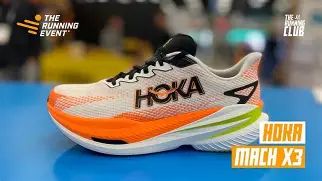
The Mach X3 emphasizes a minimal, performance-focused silhouette. The upper typically uses a breathable engineered mesh that balances ventilation with structure. Reinforcements around the toe box and midfoot give a secure hold without adding excess weight. The sole unit often combines a responsive midsole foam with a strategically placed rubber outsole for traction and durability in high-wear zones.
Cushioning and Ride
Runners report the Mach X3 delivers an energetic ride: responsive enough for quicker paces while providing enough cushion for medium-distance runs. The shoe’s geometry—usually featuring a rocker-like profile and a moderately elevated stack—helps promote a smooth toe-off and encourages a quick turnover. For those who favor lively midsole foam over maximum softness, the Mach X3 presents a compelling middle ground.
Fit and Comfort
Fit is a frequent discussion point. The Mach X3 tends to fit true to size for many runners, with a slightly snug midfoot and a more generous forefoot in some iterations. Heel lock is typically secure, reducing slippage on faster efforts and downhill segments. Break-in time is generally short, but first-time users should expect a few runs before long-distance comfort is fully realized.
Durability and Outsole
Hoka places rubber reinforcements under the outsole in hard-wearing areas to extend lifespan. For daily trainers, durability is adequate; longevity depends heavily on runner weight, gait, and surface choices. Road usage and mixed training are common for Mach X3 owners seeking a shoe that balances wear resistance with the need to keep weight down.
Performance Summary
Overall, the Mach X3 performs best as a versatile, fast-training shoe. It is not positioned as an ultra-cushioned maximalist trainer nor as a pure racing flat; instead, it sits in a performance-cushion category appealing to those who want speed without sacrificing everyday comfort.
Discover deals on Electronics — updated daily.
Browse Now →Pros & Cons
- Pros
- Lightweight and responsive for tempo runs and faster efforts
- Comfortable cushioning suitable for daily mileage
- Secure fit around the midfoot and heel
- Breathable upper for warmer conditions
- Versatile — good for road runs, treadmill sessions, and mixed training
- Cons
- Not the best choice for heavy-load long ultras or very soft recovery days
- Some runners may prefer a wider toe box for long runs
- Durability can vary by runner and terrain — heavier runners may see faster outsole wear
- Less stability for off-road or highly technical trails
Comparison Table: Hoka Mach X3 vs. Similar Models
| Model | Best Use | Ride Character | Stack / Cushion | Weight (men's, approx.) |
|---|---|---|---|---|
| Hoka Mach X3 | Tempo runs, daily training, faster workouts | Responsive, lively | Moderate — balanced between cushion and snappy feel | Light (approx. mid 200s grams) |
| Hoka Clifton (series) | Daily long runs, recovery days | Soft, plush | Higher — more cushioning for comfort | Moderate (slightly heavier than performance models) |
| Hoka Rocket X / Carbon models | Racing, PR attempts | Maximum responsiveness, propulsive | Typically higher with plate technology | Very light (race-focused) |
Real-World Use Cases
Understanding how the Mach X3 performs in everyday settings helps buyers match the shoe to their goals:
- Daily Training: Runners who want a single-shoe solution for most workouts can use the Mach X3 for easy runs and steady miles when recovery needs are moderate.
- Tempo & Interval Sessions: The shoe’s responsiveness makes it suited to tempo runs, intervals, and progression runs where quick turnover and energy return matter.
- Race Day (Short to Mid Distance): For 5K to half-marathon distances, the Mach X3 can be a strong race option for those who prefer a slightly more cushioned, stable feel than ultra-light racing flats.
- Treadmill & Gym Workouts: The shoe’s breathable upper and responsive midsole translate well to treadmill sessions and indoor training.
- Weekend Long Runs: Runners who favor a balance of cushion and responsiveness can take the Mach X3 on longer runs, though those seeking maximal softness may choose a Clifton or a maximal trainer instead.
Buying Guide: How to Set Up and Get the Most from the Mach X3
1. Choose the Right Size and Fit
Start by selecting the usual running shoe size. For many users the Mach X3 fits true to size, but feet vary. Key tips:
- Measure feet at the end of the day when they are slightly swollen.
- Consider half a size up if planning to run long distances or use thicker socks.
- Ensure about a thumb’s width of space in the toe box to avoid black toenails on downhill or long efforts.
2. Lacing Techniques for Performance and Comfort
Lacing can dramatically change fit. Recommended patterns:
- Runner's Loop (heel lock): Use to secure the heel and reduce slippage on faster runs or downhill segments.
- Wide Toe Box Relief: Skip the lowest eyelet or use a “window lacing” pattern if the forefoot feels too tight.
- Tighten progressively from forefoot to midfoot, then lock at the top for stability during intervals.
3. Break-in and Mileage Planning
The Mach X3 typically needs only a short break-in period. Recommended approach:
- Start with short runs (3–5 miles) for the first 2–3 outings to let the upper conform to the foot.
- Alternate with an older shoe during build-up weeks to reduce injury risk.
- Gradually increase long-run distance by 10–15% per week if using Mach X3 as a single-shoe trainer.
4. Sock and Insole Choices
Socks influence fit and comfort. Advice:
- Use technical, moisture-wicking socks to prevent blisters and hotspots.
- Runners who need orthotic support can try a thin performance insole to maintain the shoe’s ride characteristics while adding support.
- Bulky insoles may change fit and heel lock—reassess lacing after swapping insoles.
5. Terrain and Usage Recommendations
Best practices for surfaces:
Looking for the best Electronics deals on Amazon?
Browse Now →- Road and treadmill: Optimal for the Mach X3, where responsiveness and traction are most effective.
- Light mixed-surface paths: Acceptable for short sections, but avoid technical trails or deep mud where the outsole grip and stability are not designed for those stresses.
- Avoid consistent gravel and rocky trails to reduce premature outsole wear.
6. Maintenance and Longevity
Extending the life of the Mach X3 is straightforward:
- Clean the upper with a soft brush and mild soap; avoid machine washing to preserve materials and adhesives.
- Air dry at room temperature. Avoid direct heat sources which can degrade foam.
- Rotate between two pairs if weekly mileage exceeds 40–50 miles to help midsole foam recovery and extend overall lifespan.
7. When to Replace
Signs the shoe is due for replacement:
- Noticeable decrease in cushioning or a “dead” feel during runs
- Visible outsole wear across the forefoot or heel
- New aches or pains in knees, hips, or lower back that correlate with continued use
What Buyers Typically Care About (and How Mach X3 Addresses Those Needs)
Buyers usually focus on a handful of key traits when evaluating a running shoe. Here’s how the Mach X3 measures up in common decision areas:
- Weight: Many choose the Mach X3 because it is lighter than traditional daily trainers while maintaining noticeable cushioning—this appeals to runners who want speed without sacrificing comfort.
- Responsiveness: Runners who incorporate speed sessions appreciate the shoe's quick toe-off and energetic midsole feel.
- Comfort: The breathable upper and balanced cushioning make it suitable for daily miles for many users, though personal foot shape matters.
- Versatility: The Mach X3 is often purchased as a do-it-all shoe: capable of easy runs, tempo sessions, and occasional race efforts at shorter distances.
- Value: Buyers evaluate how long the shoe lasts relative to performance. Rotating shoes and appropriate use help maximize value.
Fit Tips by Foot Type
Different foot shapes benefit from tailored setup strategies:
- Narrow feet: Tighten laces progressively and use the runner’s loop to secure the heel.
- Wide feet or bunions: Try a half size up or test wider sock options. Adjust lacing to create more forefoot room.
- High arches: Consider a thin performance insole for added support; check for adequate midfoot hold to prevent heel lift.
- Flat feet: Use supportive socks or an orthotic if pronation control is needed—test on short runs first.
Common Mistakes to Avoid
- Buying the usual street shoe size without measuring for running fit—running shoes should feel slightly roomier.
- Using strictly Mach X3 for all runs if preferring maximal cushioning on recovery days—rotate shoes based on run intensity.
- Neglecting lacing adjustments—small tweaks can resolve many fit issues.
- Running long distances immediately without a short break-in routine.
Conclusion
The Hoka Mach X3 is a strong contender for runners seeking a nimble, responsive shoe that still offers comfortable daily cushioning. It bridges the gap between lightweight trainers and faster, race-oriented models, appealing to runners who want one shoe that performs across a range of workouts. Proper setup—selecting the right size, refining lacing, and managing break-in—ensures the Mach X3 delivers its intended ride and longevity. For most recreational and competitive runners focusing on road training, the Mach X3 represents a versatile, practical choice worth trying as part of a thoughtful footwear rotation.