5 Hidden Features of the Novablast 5 You Must Know About
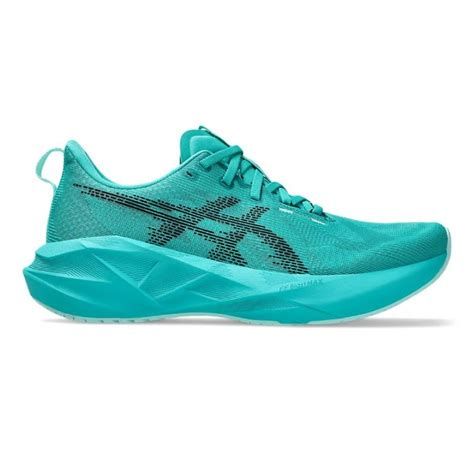
The Novablast 5, the latest iteration in ASICS's popular Novablast line, is often praised for its lively cushioning and forgiving ride. Many buyers focus on the visible headlines — soft foam, springy rebound, and a fun-to-run personality — but beneath those apparent qualities are subtler design choices that materially affect comfort, performance, and longevity. This article unpacks five “hidden” features of the Novablast 5 that matter most to real-world runners and everyday buyers: how the shoe behaves on different surfaces, how it fits over time, and what to expect during training and routine use.
Introduction: Why hidden features matter
When shopping for running shoes, buyers typically check cushioning, weight, and price. Those are useful, but the difference between a shoe that performs well for months and one that disappoints after a few weeks is often found in less obvious details — internal geometry, midsole compounding, outsole tread layout, upper structure, and small fit tweaks. The Novablast 5 packs several of these design decisions into a package that looks familiar but feels distinct once put to the test. Understanding them helps make a better purchase decision and to use the shoe in ways that maximize comfort and lifespan.
Detailed product review and analysis
1. Tuned rocker geometry for smoother transitions
One subtle but impactful evolution in the Novablast 5 is its refined rocker profile. The sole curvature and heel-to-toe ramp are tuned to promote a smoother forefoot rollover. In practical terms, this reduces the perception of “dead” spots during mid-stance and helps conserve effort during longer runs. For runners who favor higher cadence or those transitioning from maximal-cushion shoes, the rocker geometry can feel like a gentle nudge toward a more efficient toe-off.
Real-world use case: long steady-state runs and recovery runs. Runners who log sustained distances notice less fatigue in the calves and a more forgiving transition when cadence drifts toward the lower side late in a run.
2. Multi-density midsole stack — cushioning with control
The Novablast 5 continues the line’s focus on lively, springy foam but layers density strategically. A softer top layer provides initial comfort and shock absorption, while a slightly firmer base layer resists excessive compression and maintains responsiveness. This combination preserves cushioning feel over a larger range of body weights and strike patterns than a single-density block would.
Buyers who typically care: heavier runners and those who run mixed paces. The layered approach reduces the “sinking” sensation mid-run while retaining the energetic bounce the Novablast line is known for.
3. Outsole pattern and rubber placement for targeted durability
At a glance, the outsole looks like a standard rubber layout, but rubber compound and pattern placement are optimized for high-wear zones. Instead of blanket coverage, durable rubber is concentrated in the heel and lateral forefoot — areas that experience the most friction for many neutral runners. The midfoot and medial forefoot use lighter materials to keep overall weight down and preserve flex characteristics.
Practical implication: longer tread life where it matters, without trading away flexibility. For treadmill-focused runners the wear is different, but for road runners who heel-strike or plant heavily on the lateral edge, this targeted reinforcement helps preserve ride quality for more miles.
4. Engineered upper with adaptive lockdown
The Novablast 5’s upper uses a combination of engineered mesh, subtle reinforcements, and a reshaped tongue that together create a secure but breathable fit. The reinforcements are often no-sew overlays that distribute pressure and reduce hotspots. This results in a near-customizable feel: the shoe hugs where needed (midfoot) while allowing more room in the toe box.
Find top-rated Electronics products at great prices.
Browse Now →Real-world use case: runners with mild foot swelling on long runs or those who alternate indoor/outdoor training. The adaptive upper reduces the need to size up just to avoid toe compression, while still preventing slippage during tempo intervals.
5. Slightly wider platform for stable cushioning
Another underappreciated aspect is the Novablast 5’s platform width. A modestly wider midsole footprint increases perceived stability, particularly during softer landings on uneven surfaces. This doesn’t make the shoe “stability” classified, but it provides a confidence-boosting base underfoot for neutral runners looking for plush cushioning without feeling tippy.
Buyers typically care about this when they are transitioning to more cushioned footwear or when adding a high-mileage trainer to a rotation and want fewer surprises on road camber or light trail detours.
Pros & Cons
- Pros
- Responsive, lively cushioning that preserves energy return over varied paces
- Smooth transition thanks to refined rocker geometry
- Durable outsole where wear happens most, improving real-world lifespan
- Adaptive upper balances lockdown and breathability
- Wider platform enhances stability without adding stiffness
- Cons
- Not a dedicated racing flat — bulkier than speed-specific models
- May feel too plush for runners who prefer a firmer, more minimal ride
- Some runners may need to adjust sizing due to volume changes in the upper
- Performance on technical trail surfaces is limited compared to trail-specific shoes
Comparison table: Novablast 5 vs. Novablast 4 vs. Typical Neutral Trainer
| Model | Cushioning | Transition (rocker) | Fit & Upper | Best for | Durability |
|---|---|---|---|---|---|
| Novablast 5 | Lively multilayer foam — springy | Refined rocker for smoother toe-off | Engineered adaptive upper, moderate volume | Daily trainer, long runs, recovery | Targeted rubber in high-wear zones |
| Novablast 4 | Soft, responsive foam but slightly less structured | Noticeable rocker, less refined | Comfortable mesh with some overlays | Road training, tempo work | Good, but earlier versions showed quicker midsole compression for heavy users |
| Typical Neutral Trainer | Balanced cushioning — varies from firm to soft | Conventional geometry, less pronounced rocker | Standard mesh — can vary from snug to roomy | Everyday training, beginners | Varies widely; many prioritize durability over bouncy ride |
Buying guide: how to choose the right Novablast 5 for you
Know your primary use
Decide whether the Novablast 5 will be used primarily for daily training, long runs, recovery runs, or a combination. The shoe’s strengths — cushioning and transition — make it ideal for steady-state miles and recovery days. If most runs are tempo workouts or racing, consider pairing it with a firmer, more responsive trainer or a dedicated race shoe for speed sessions.
Sizing and fit tips
Many runners find that modern trainers vary in volume even within the same brand. The Novablast 5’s engineered upper provides a secure midfoot, but the toe box may be slightly roomier than previous releases. Try the following when sizing:
- Try with the socks you typically run in and leave roughly a thumb’s width of space at the toe for long runs.
- If the runner has very narrow feet or prefers a tight fit, consider trying a half size down only after testing on a short run — don’t rely on half-hour in-store walks alone.
- Runners who use custom orthotics should try their insole inside the shoe before buying; the Novablast 5’s midsole stack generally accommodates thin to medium orthotics without crowding.
Rotation and mileage expectations
As with any cushioned trainer, rotating shoes will extend midsole life and reduce injury risk. For a runner logging consistent weekly mileage, plan on a rotation that includes a firmer trainer or a lower-mileage shoe for speed sessions. Expect the Novablast 5 to provide reliable cushioning for typical neutral runners across 350–500 miles depending on weight, running surface, and gait; heavier runners or mixed-surface users may notice compression sooner and should monitor midsole rebound and outsole wear.
What to check during a return window
Take advantage of the return policy to test the shoes on a short run of 3–6 miles if allowed by the retailer. Check these practical points:
- Comfort during cadence changes (slow to moderate tempo)
- Any hotspots or pressure points during sustained runs
- Heel and midfoot lockdown during toe-off
- Perceived stability on road edges and cambered surfaces
Care and maintenance
To maximize the Novablast 5’s life:
- Air dry after wet runs; avoid direct heat. Heat accelerates foam breakdown.
- Clean the outsole of sharp debris (small stones) that accelerate wear.
- Wash laces and insole separately if needed; hand wash the upper with mild soap rather than machine washing.
- Rotate with a second pair for consecutive high-mileage weeks to let foam recover.
Real-world scenarios where the Novablast 5 shines
Everyday runner seeking comfort
For runners who prioritize comfort on easy and long runs, the Novablast 5 provides a lively, forgiving platform that reduces the ache and impact felt after consecutive training days. The springy midsole helps preserve enthusiasm late in a long run, while the wider base offers confidence on roadside camber.
Discover deals on Electronics — updated daily.
See Deals →Gym and treadmill users
Treadmill runners appreciate the shoe’s responsive cushioning and stable base. The targeted outsole pattern aligns well with treadmill belt wear patterns and keeps the shoe flexible enough for quick changes in pace during interval sessions.
Cross-training and travel
Because the Novablast 5 combines cushioning and a breathable upper, it doubles as a versatile shoe for travel days when a single comfortable option is desired. Its adaptive upper handles foot swelling on longer travel days better than narrower trainers, and the shoe’s overall comfort translates to walking and casual wear.
Frequently asked buyer concerns (and answers)
Will the Novablast 5 be too soft for tempo runs?
Not necessarily. While the Novablast 5 prioritizes cushioning, the tuned rocker and layered midsole give it enough responsiveness for moderate-tempo efforts. Serious speed sessions or races at threshold pace may be better in a firmer, lower-stack shoe, but for many runners the Novablast 5 performs well across a range of paces.
How does it hold up in wet conditions?
The outsole compound balances grip and wear; it performs well on wet roads but is not a dedicated wet-surface or trail shoe. The engineered mesh upper dries reasonably quickly, but prolonged exposure to mud and grit will accelerate wear, as with most road trainers.
Is it suitable for heavier runners?
The multi-density midsole and reinforced base make the Novablast 5 a viable option for heavier neutral runners seeking cushioning without complete loss of responsiveness. Heavier runners should monitor midsole compression over time and may prefer a rotation strategy to lengthen the shoe’s effective lifespan.
Conclusion
The Novablast 5 is more than its headline cushioning. Beneath the visible foam and playful marketing are measured engineering choices — tuned rocker geometry, multi-density midsole layering, strategic outsole reinforcement, an adaptive upper, and a subtly wider platform — that together shape a well-rounded trainer. For buyers, these “hidden” features translate to smoother transitions, consistent responsiveness, practical durability, and a comfortable fit across varied uses.
Understanding these elements helps match the Novablast 5 to the right runner: those who want a lively daily trainer that performs well for long runs, recovery days, and mixed-pace training, without needing a separate pair for every workout. With realistic expectations about racing and trail limitations and a proper rotation and fit check, the Novablast 5 is a compelling, thoughtfully engineered option in the crowded neutral trainer category.